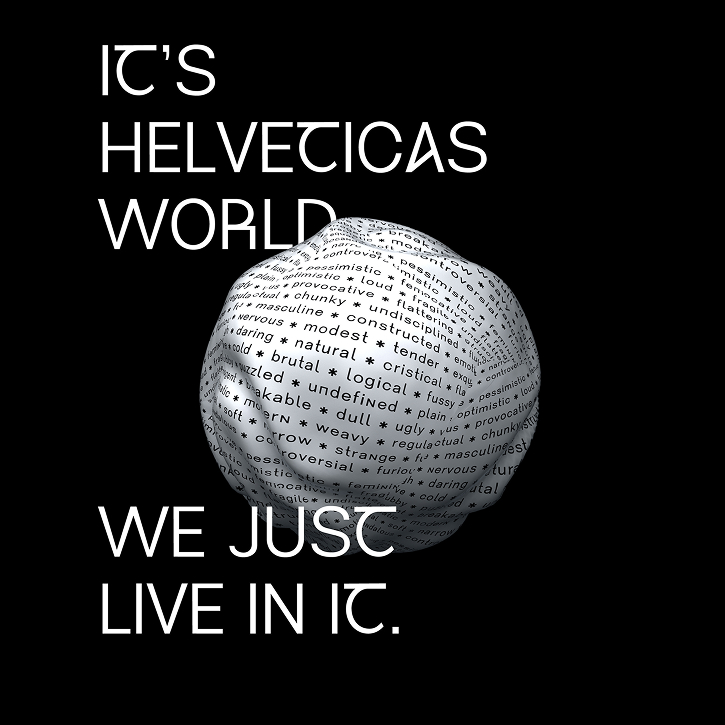
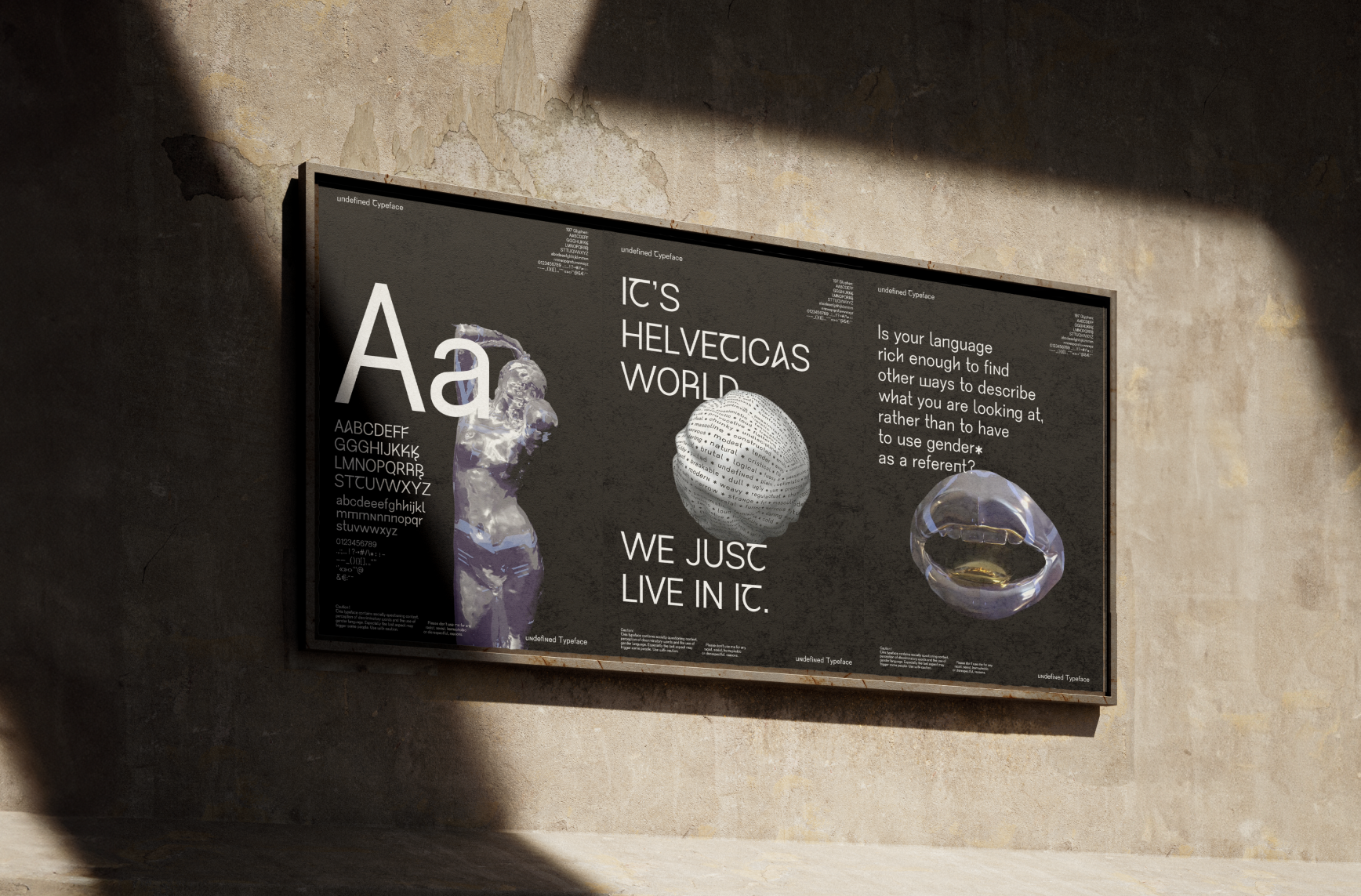
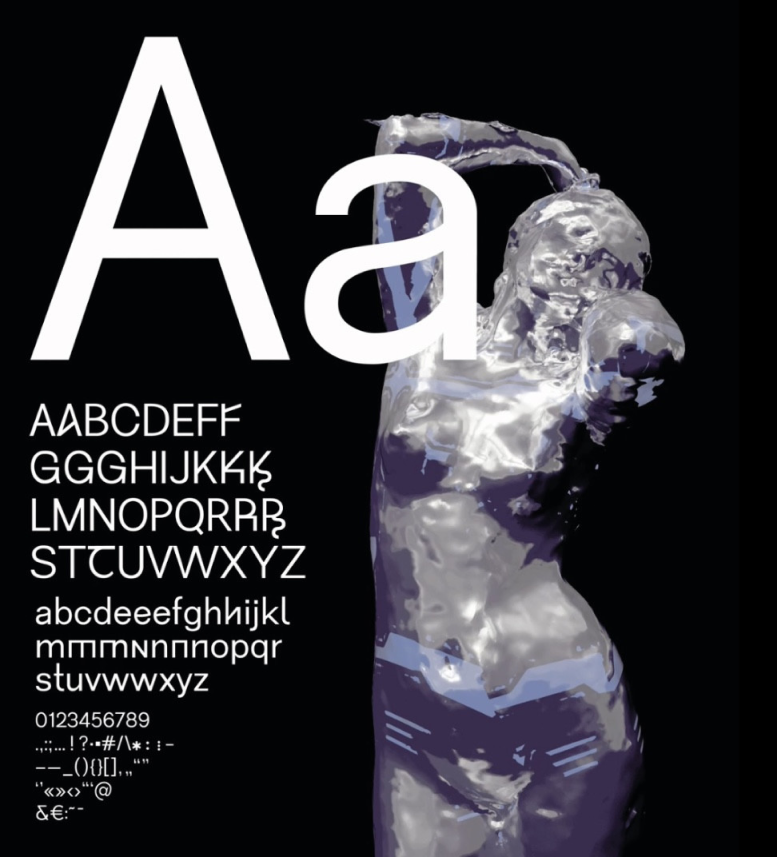
The "undefined" typeface questions how we actually use language. It breaks open visual and linguistic structures. With 197 glyphs, three character sets, ligatures and optional ligatures, it works not only as a formal experiment but also has an innovative feature built in: it automatically genders words, reflecting the reality of a diverse, inclusive society.
Context
The task was to develop a typeface that challenges social norms, breaks through binary thinking and captures the full breadth of human expression. Language was not only to be conveyed but actively transformed – towards greater openness, diversity and equality.
Strategie & Prozess
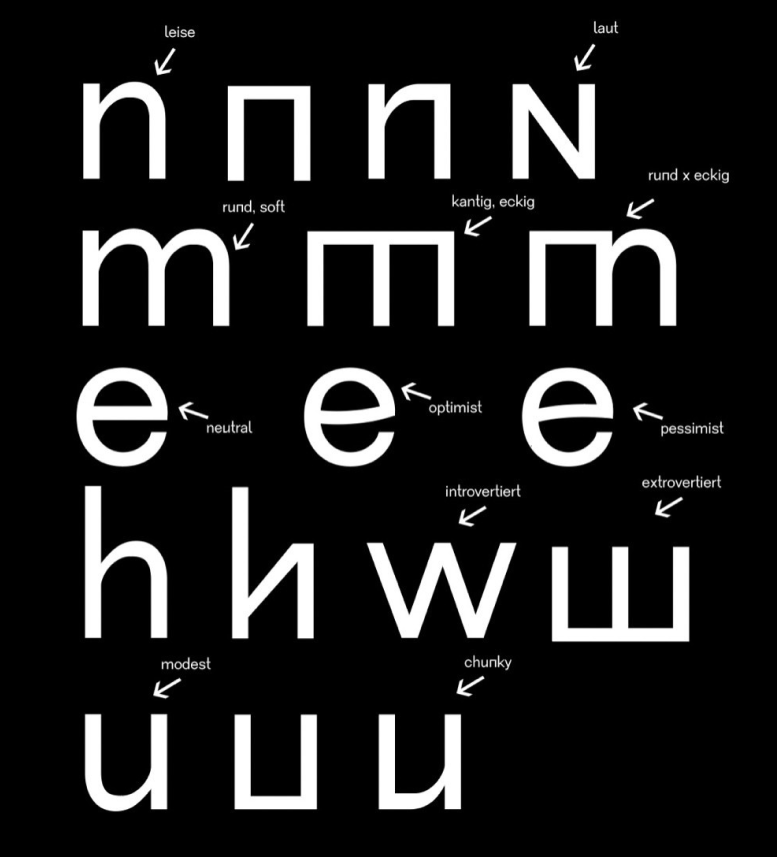
The typeface was developed as a concept-driven system that understands typography as an active tool for transforming language. Drawing on the analysis of existing writing systems, an expanded glyph set was created that connects formal design with conceptual statement. Thanks to a built-in gender function and warnings for discriminatory terms, the conceptual ambition can actually be put into practice.
Design & Outcome
Each letter can be shaped to oscillate between opposites: extroverted and introverted, loud and quiet, bold and delicate, masculine and feminine. The alternative glyph structure breaks with traditional typographic categories. Technically, a randomised automatism has been built in – every time the text is set, a new, fluidly varying version is created. The fact that you never know what comes next shows that identity is not fixed but alive.